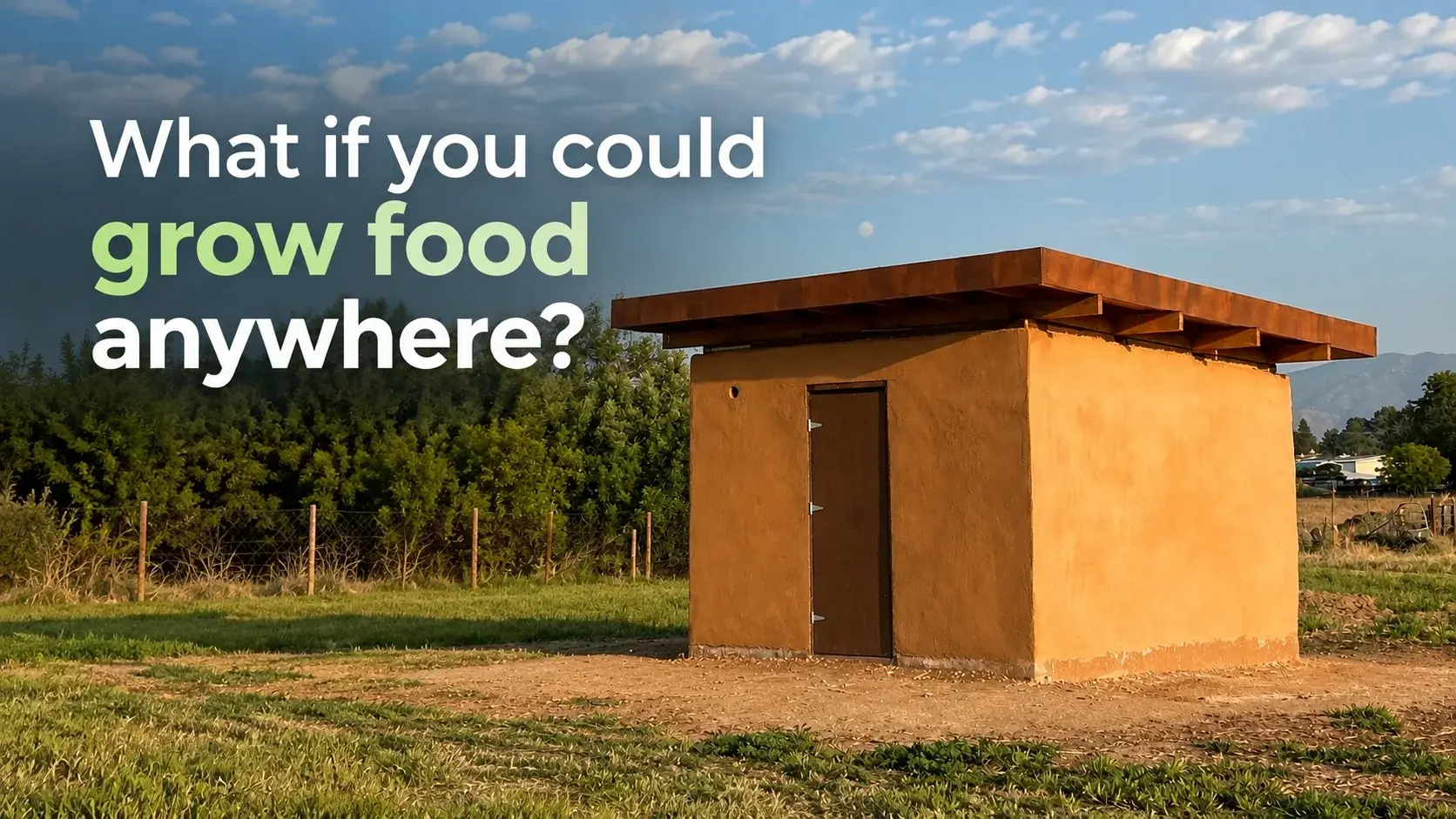
Raising $150,000 to secure High Street as our home base and working demo site, and develop prefabrication so we can build, ship, and install more Littlest Big Farms.
See the working farm, why we went tiny, and why the next step is getting Littlest Big Farms built for more places.
WHAT THIS CROWDFUNDING IS FOR
Secure High Street as our long-term home base.
Build and test the first prefabricated wall systems.
Fund materials, engineering, and safety validation needed to move prefab forward.
More local food. Stronger food security. More local, good-paying jobs.
GIVE DIRECTLY
Choose an amount that works for you.
Direct gifts support From The Land and are not charitable tax-deductible donations.
You can be part of this for $5. Pick an amount that works for you.
Gift (not tax deductible)Choose any amount.
WHAT THE FIRST $150,000 FUNDS
Move from building farms on site to prefabricating, shipping, and installing them.
01
Secure High Street as our long-term home base
Make High Street our stable base for prefabrication, a working Littlest Big Farm demo for buyers and investors, a place to develop and test new From The Land innovations, and a place for local workshops, demonstrations, and community learning.
02
Build + test the first prefabricated farms
Learn what can be built ahead of time, how it travels, and how to make installation faster and more consistent.
03
Professionally manufacture key systems
Move selected components from hand-built versions toward professional manufacturing while continuing to improve them.
04
Keep From The Land building + growing
Support the people, materials, operations, and working capital needed to keep building, serving partners, and moving forward.
We can still build the next farms in place if needed. This funding helps us add prefabrication, shipping, and installation capability. See the detailed plan →
WHY MAKE A FARM THIS SMALL?
Because food production should fit in more places.
A shed-sized farm can put growing capacity close to homes, schools, small farms, nonprofits, restaurants, and community sites instead of requiring one enormous facility.
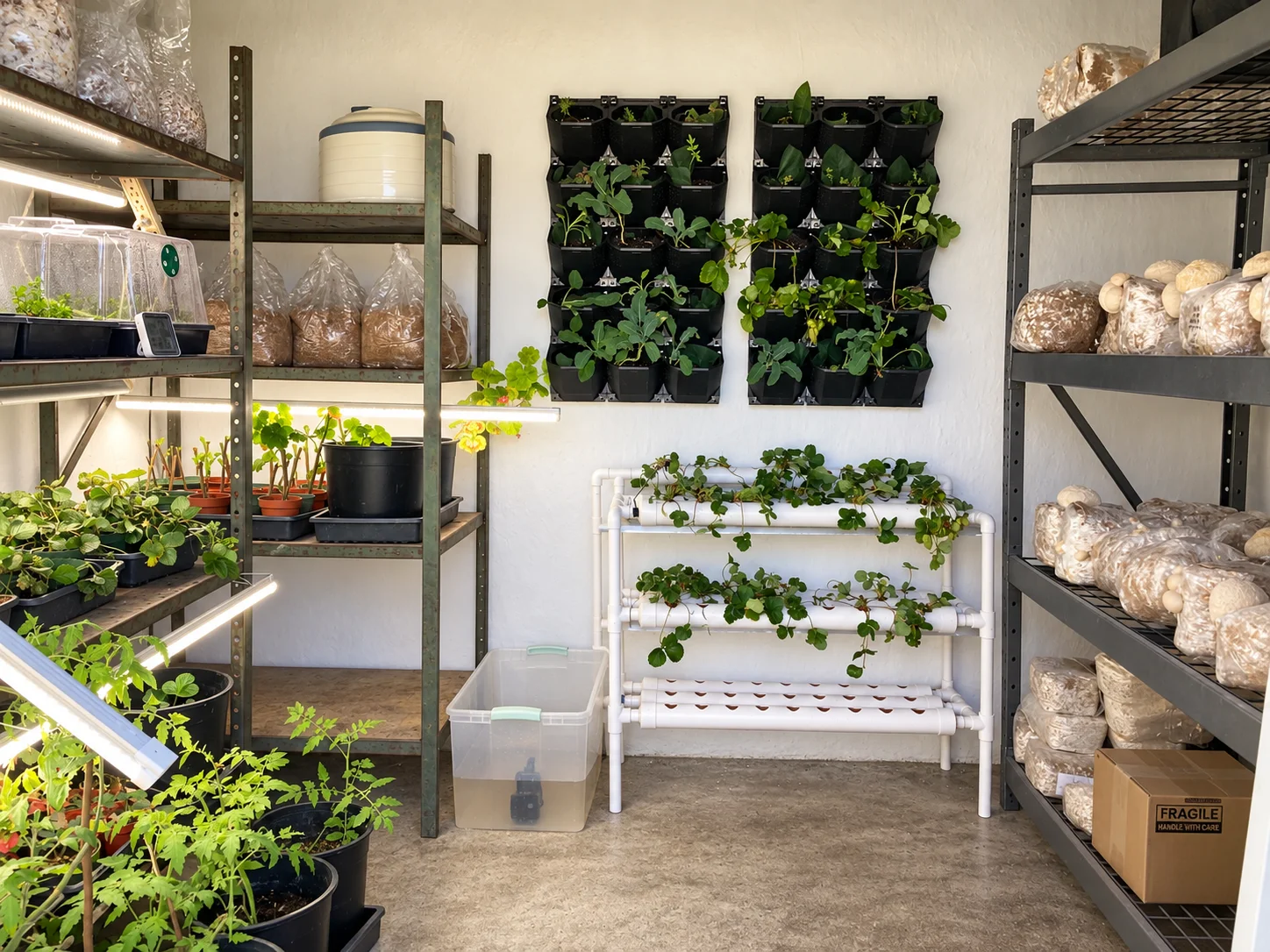
Inside a working Littlest Big Farm.
01
Grow where the people eating the food are.
A 10 × 12 ft footprint can fit where a conventional farm or large indoor facility cannot.
02
Make each farm resilient.
Earthen thermal mass, protected growing, sensors, automation, and crop-specific systems are designed for changing weather and demanding conditions.
03
Spread the risk.
Many small farms in many places can create a more distributed system than concentrating all growing capacity in one huge facility.
WE DID THE BUILDING BEFORE THE ASK.
Seven years of building, growing, failures, fixes, and lessons.
We are not raising money for the first sketch. We have already built three generations, grown in the systems, trained growers, and learned what has to become more consistent next.
7 yearsbuilding and testing
3Littlest Big Farm generations
40+crop species grown in our systems
50+farmers + farmworkers trained
WHY WE THINK THIS CAN MATTER
Operating data and modeling point to much lower resource use.
These combine measured operating data, engineering models, and benchmark-based estimates. They are not performance guarantees, and we are continuing to validate them.
50–90%less landEngineering model, depending on crop and methodUp to ~90%less waterHydroponic benchmark versus field growing~74–81%less electricity / lbMeasured data + modeled comparison versus commercial vertical farming
We want this campaign to create more than a transaction. Follow the next Littlest Big Farms from fabrication through testing, deployment, growing, failures, fixes, and lessons.
Know a grower, school, community organization, scientist, funder, or just one curious person who should see this?
WHY US?
A scientist, an engineer, and seven years of making the idea real.
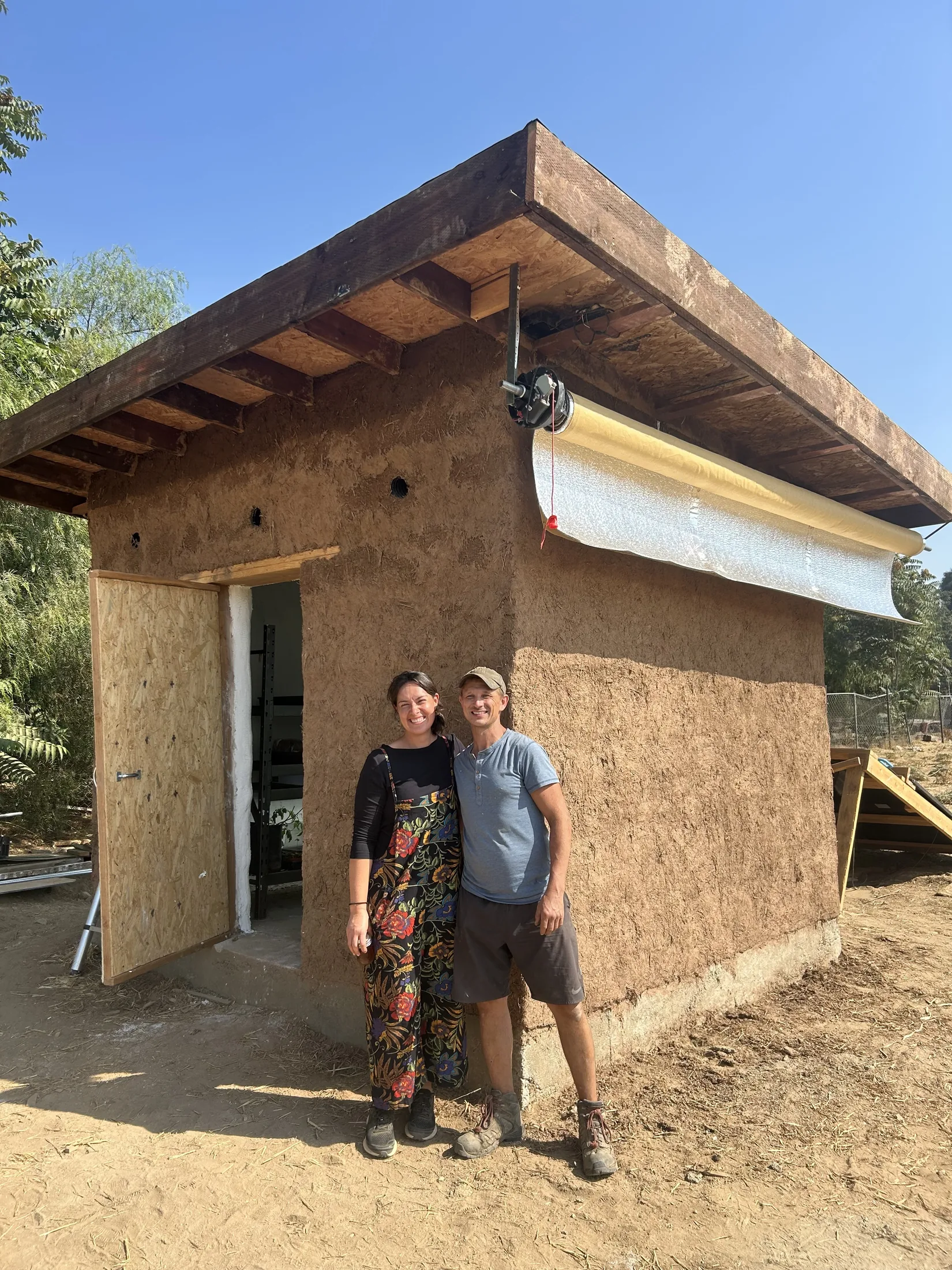
We are Dr. Gina Oliver and Richard Hutchison. Gina is a scientist and educator. Rich is a materials engineer and builder. We have built successive generations, grown crops, trained farmers, hauled materials, wired controls, fixed failures, and rebuilt what broke.
We want your help building the future of farming and growing a network of Littlest Big Farms in more places.
We did not spend seven years trying to make a bigger farm. We spent seven years learning how small a farm could be and still matter.